
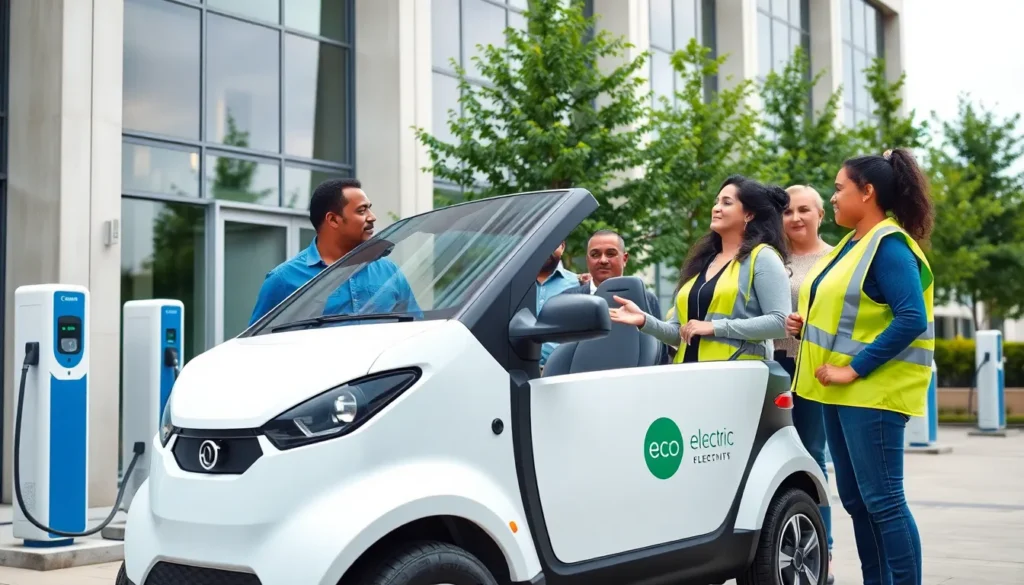
The world of transportation is buzzing with excitement, and electric utility vehicles are leading the charge. These eco-friendly workhorses are not just a trend; they’re a smart investment for businesses looking to save on fuel and maintenance costs. Imagine cruising around town in a vehicle that’s as quiet as a ninja and as efficient as your favorite coffee maker.
With a growing selection of electric utility vehicles for sale, it’s easier than ever to find the perfect fit for any job. Whether it’s hauling tools to a job site or making deliveries, these vehicles pack a punch without the gas-guzzling guilt. So buckle up and get ready to explore the electrifying options that’ll have you zipping through your workday with a smile. After all, who wouldn’t want to drive a vehicle that’s both good for the planet and great for their bottom line?
Overview of Electric Utility Vehicles
Electric utility vehicles combine practicality with sustainability, making them an increasingly popular choice for businesses. These vehicles offer distinct advantages over traditional gas-powered models, such as lower emissions and reduced operating costs. Data shows that electric utility vehicles can save companies up to 75% on fuel expenses.
Several models are available in the market, catering to different business needs. Compact designs provide maneuverability for tight spaces, while larger options offer increased cargo capacity for diverse tasks like delivery or fleet operations. Notable brands include the Ford E-Transit, which combines versatility with eco-friendliness, and the Workhorse C-Series, designed specifically for urban logistics.
The demand for electric utility vehicles is rising due to growing environmental regulations and stakeholder expectations for corporate sustainability. Many municipalities and businesses are transitioning to electric fleets to lower their carbon footprints. Fleet managers benefit from reduced maintenance costs, as electric vehicles typically require less upkeep than their gas-powered counterparts.
Charging infrastructure is developing rapidly, making it easier for businesses to adopt electric utility vehicles. Many companies install charging stations on-site to streamline operations. With advancements in battery technology, electric range continues to improve, alleviating concerns about distance for daily operations.
Investing in electric utility vehicles represents a forward-thinking move for businesses aiming to balance efficiency with environmental responsibility. Such vehicles not only fulfill operational needs but also contribute positively to public perception and brand reputation. Solutions like fleet electrification offer a promising pathway toward sustainable business practices.
Benefits of Electric Utility Vehicles

Electric utility vehicles offer numerous advantages, attracting businesses seeking environmentally friendly and cost-effective solutions.
Environmental Impact
Electric utility vehicles significantly reduce greenhouse gas emissions compared to gas-powered alternatives. Adoption leads to lower air pollution levels, contributing to healthier urban environments. Many models produce zero tailpipe emissions, enhancing overall air quality. Utilizing these vehicles helps companies align with stricter environmental regulations, promoting sustainability initiatives. They support efforts to combat climate change, making electric vehicles a vital part of future transportation strategies. As cities expand and the demand for cleaner transport increases, choosing an electric utility vehicle fosters a positive environmental impact.
Cost Savings
Cost savings emerge as a key benefit of electric utility vehicles. Businesses experience up to 75% reductions in fuel costs compared to traditional vehicles, leading to substantial long-term savings. Maintenance requirements for electric models are lower, resulting in fewer repair expenses. Operating these vehicles allows companies to take advantage of various incentives, including tax credits and rebates. Employees can also benefit from lower charging costs versus fueling with gasoline. Investing in electric utility vehicles means enhanced financial efficiency, boosting bottom lines while promoting eco-friendly practices.
Types of Electric Utility Vehicles for Sale
Electric utility vehicles come in various types, catering to different needs and applications. Understanding these categories helps businesses choose the right vehicle for their operations.
Light-Duty Utility Vehicles
Light-duty utility vehicles are compact options designed for urban environments. These models excel in navigating tight spaces, making them ideal for tasks like deliveries and service calls. Many light-duty vehicles offer a payload capacity of up to 1,500 pounds. Examples include electric vans and small trucks, equipped with features tailored for efficiency. Their zero-emission profiles contribute to cleaner air, aligning with sustainability goals. As businesses seek eco-friendly options, light-duty electric utility vehicles present a practical and cost-effective solution for daily needs.
Heavy-Duty Utility Vehicles
Heavy-duty utility vehicles are built for more demanding tasks. These larger models cater to industries requiring robust transportation capabilities, with payload capacities reaching over 4,000 pounds. Applications include waste management, construction, and logistics. Many heavy-duty options come with advanced battery technology, ensuring long operational ranges without frequent charging. Businesses benefit from decreased operating costs and improved performance. Significant reductions in greenhouse gas emissions come with these vehicles, promoting corporate sustainability efforts. Heavy-duty electric utility vehicles represent a forward-thinking choice for firms aiming to enhance productivity while reducing environmental impact.
Key Features to Consider
When evaluating electric utility vehicles, several key features play an important role in ensuring the best fit for specific business needs. Focusing on battery life, range, and charging options provides insight into performance and convenience.
Battery Life and Range
Battery life and vehicle range critically impact operational efficiency. Models often offer ranges from 50 to over 150 miles on a single charge. Assessing battery capacity is vital, as a larger capacity typically enables longer trips without recharging. Businesses focusing on urban applications often prefer vehicles with a daily range under 100 miles, which covers most tasks effectively. Those needing additional distance should consider models with extended ranges, especially for rural or multiple-site operations. Longer battery life reduces downtime, optimizing productivity.
Charging Options
Charging options significantly enhance the practicality of electric utility vehicles. Most models support standard AC charging, taking about 6 to 8 hours for a full charge, while DC fast charging can reduce this time to 1 to 3 hours. Businesses often benefit from home or workplace charging stations, making overnight charging convenient. Companies should also evaluate the availability of public charging stations in their operational areas to prevent disruptions. Selecting vehicles with versatile charging solutions aligns with corporate sustainability goals and facilitates seamless daily operations.
Popular Brands and Models
Numerous brands manufacture electric utility vehicles, each offering unique models tailored for various applications.
Ford presents the E-Transit, designed specifically for commercial use. This model combines utility with advanced technology, featuring a range of up to 126 miles. It’s particularly popular among businesses focused on urban deliveries.
Rivian, known for its innovative approach, offers the R1T. This electric pickup truck excels in off-road capabilities and boasts a range exceeding 300 miles. It appeals to companies needing rugged performance alongside sustainability.
Chevrolet introduced the Silverados, which include electric variants recognized for their robust build and versatility. The Silverado EV caters to heavy-duty requirements with a payload capacity exceeding 1,000 pounds, making it a strong contender in the market.
Lordstown Motors also enters the scene with the Endurance. This model specifically targets fleet operators, focusing on a range of around 250 miles. Its design emphasizes ease of use and lower total cost of ownership.
Workhorse is another notable brand, featuring the C-Series. This electric delivery truck is particularly effective for last-mile logistics, offering payloads of up to 6,000 pounds. It’s an ideal choice for businesses aiming to optimize delivery efficiency.
Nissan offers the e-NV200, a compact van that caters to urban businesses needing maneuverability. Its electric range supports local deliveries, promoting environmental responsibility with zero emissions.
Understanding these models helps businesses determine which electric utility vehicles best fit their operational needs. Each brand brings distinct advantages, catering to sustainability goals while enhancing work efficiency.
Electric utility vehicles are transforming the landscape of business transportation. Their eco-friendly nature and significant cost savings make them an attractive option for companies looking to enhance efficiency. With a diverse range of models available, businesses can find the perfect fit for their specific needs while actively contributing to sustainability efforts.
As the demand for greener alternatives continues to grow, electric utility vehicles stand out as a practical solution. Investing in these vehicles not only aligns with environmental regulations but also positions companies as forward-thinking leaders in their industries. Embracing electric utility vehicles is not just a smart financial move; it’s a commitment to a healthier planet and a more sustainable future.


