

In a world where science fiction often blurs into reality, medical biotechnology stands at the forefront of groundbreaking innovations. Imagine a realm where diseases are tackled with the precision of a surgeon’s scalpel and where treatments are tailored to fit like a well-fitted suit. This isn’t just a dream; it’s the exciting reality of medical biotechnology, transforming healthcare as we know it.
Overview of Medical Biotechnology
Medical biotechnology focuses on the use of biological systems for medical applications. This field combines principles of biology, chemistry, and engineering to enhance healthcare outcomes. Researchers utilize genetic engineering techniques to develop new treatments, therapies, and diagnostics.
Diagnostic innovations arise from advancements in biotechnology. Techniques such as PCR (polymerase chain reaction) provide rapid detection of diseases, allowing for quicker patient management. Furthermore, monoclonal antibodies play a significant role in targeting specific diseases, such as certain cancers, improving treatment efficacy.
Biotherapeutics showcase another crucial aspect of medical biotechnology. These products derive from biological sources and include vaccines, blood components, and gene therapies. The ability to create targeted therapies improves patient outcomes and minimizes side effects compared to traditional methods.
Gene editing technologies like CRISPR possess transformative potential. This method allows precise alterations to DNA, offering solutions for genetic disorders previously deemed untreatable. Gene therapy can replace defective genes, potentially curing inherited diseases.
Regenerative medicine expands the frontiers of healing. Stem cell therapy utilizes undifferentiated cells to regenerate damaged tissues or organs. Applications include treating spinal cord injuries, heart diseases, and degenerative disorders.
Precision medicine represents a paradigm shift in treatment approaches. By analyzing genetic profiles, clinicians can tailor therapies to individual patients. This customization enhances effectiveness and reduces adverse reactions.
Medical biotechnology not only enhances disease treatment but also improves preventive care. Vaccines developed through biotechnological processes can avert illnesses, leading to healthier populations. Investing in this field supports sustainable healthcare advancements.
Key Technologies in Medical Biotechnology
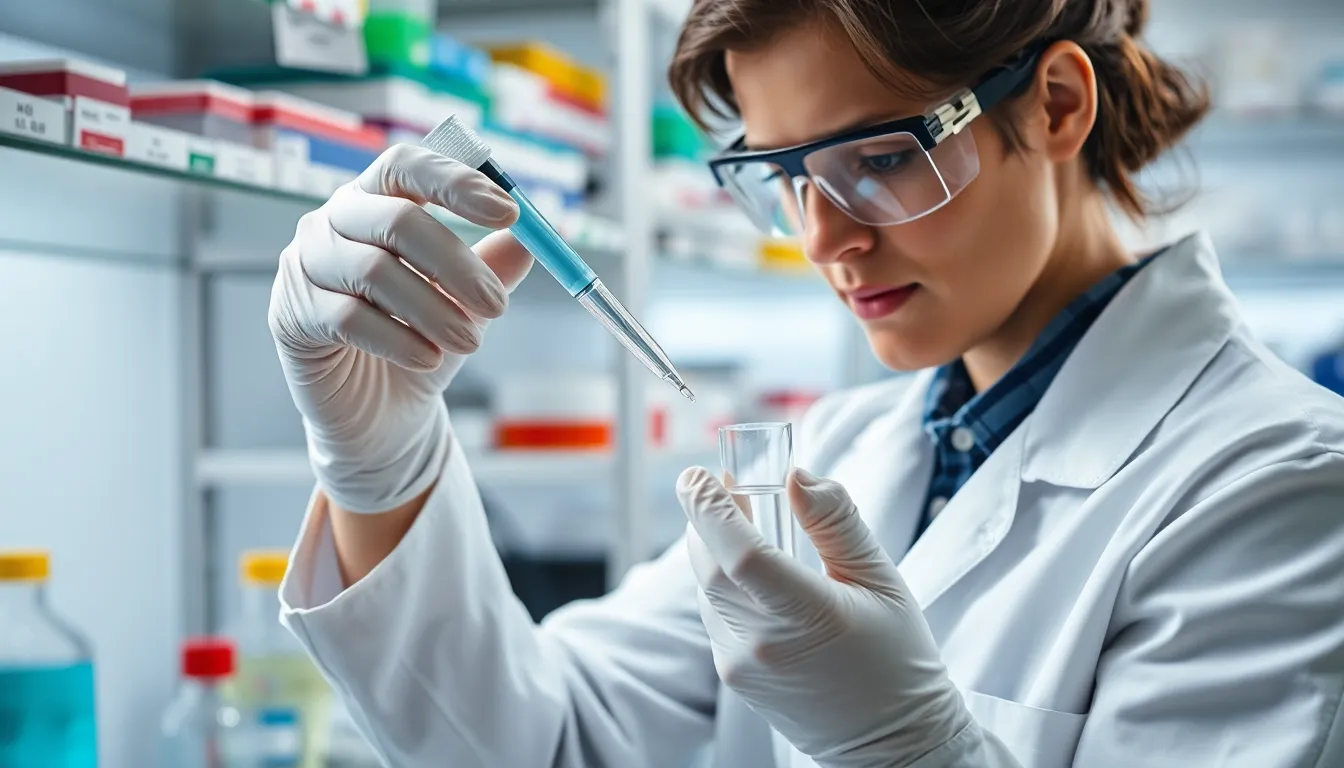
Medical biotechnology employs various innovative technologies that significantly enhance healthcare outcomes. Two prominent examples include genetic engineering and monoclonal antibodies.
Genetic Engineering
Genetic engineering allows precise modifications of organisms’ genetic material. This technology enables the development of genetically modified organisms, or GMOs, to produce therapeutic proteins and hormones. CRISPR, a cutting-edge tool, facilitates targeted edits in DNA sequences, offering hope for treating genetic disorders previously deemed untreatable. Researchers leverage this technology to improve crop yields and treat diseases in both plants and animals. Applications in human health include gene therapies for conditions like cystic fibrosis and muscular dystrophy, targeting the root causes instead of merely managing symptoms. Advancements in genetic engineering promise to continuously revolutionize how healthcare professionals approach treatment and prevention.
Monoclonal Antibodies
Monoclonal antibodies represent a key advancement in targeted therapies. Derived from a single clone of immune cells, these antibodies are engineered to bind to specific antigens, such as those present on cancer cells. Their ability to precisely target diseased cells minimizes damage to healthy tissues, enhancing treatment efficacy. Several monoclonal antibodies are utilized in therapies for various cancers, autoimmune disorders, and infectious diseases. Drugs like trastuzumab (Herceptin) have transformed breast cancer treatment, improving survival rates. The ongoing development of monoclonal antibody therapies highlights their critical role in fostering personalized medicine approaches in contemporary healthcare.
Applications of Medical Biotechnology
Medical biotechnology plays a crucial role in various applications that enhance healthcare delivery and treatment options.
Drug Development
Drug development significantly benefits from biotechnological advancements. It streamlines processes by utilizing biological data to create safer and more effective medications. From identifying potential drug targets to conducting clinical trials, biotechnology accelerates each phase of drug discovery. Techniques like high-throughput screening help researchers quickly identify promising compounds. Additionally, biopharmaceuticals, produced using living organisms, offer targeted therapies for diseases like diabetes and cancer. These innovative approaches improve patient outcomes while reducing development timelines.
Gene Therapy
Gene therapy provides transformative solutions for genetic disorders. By modifying or replacing defective genes, it aims to treat the underlying causes of diseases rather than just managing symptoms. Research in gene therapy has made strides in treating conditions such as hemophilia and muscular dystrophy. Delivery methods like viral vectors facilitate the introduction of therapeutic genes into patients’ cells. Moreover, ongoing advancements continue to enhance the safety and efficacy of these treatments, leading to new hope for those affected by previously untreatable genetic disorders.
Diagnostic Tools
Diagnostic tools developed through medical biotechnology significantly improve disease detection and early intervention. Techniques like polymerase chain reaction (PCR) enable rapid and accurate identification of pathogens. These tools provide essential insights for personalized treatment strategies tailored to individual patients. Advancements in biomarker discovery further enhance the specificity of diagnostics, allowing healthcare providers to detect diseases at their earliest stages. Innovations in imaging technologies, such as enhanced MRI techniques, also aid in precise diagnostics, ultimately leading to better patient management and outcomes.
Ethical Considerations in Medical Biotechnology
Medical biotechnology raises important ethical questions. The manipulation of genetic material might lead to unintended consequences. Gene editing, particularly with technologies such as CRISPR, brings both promise and concern. Ethical implications arise from potential misuse or overreach in genetic modifications.
Consent is another major consideration, especially in biotherapeutics. Patients must fully understand the risks and benefits before participating in treatments. Transparency about procedures and potential outcomes fosters trust between healthcare providers and patients. Additionally, ensuring informed consent rights for vulnerable populations remains crucial.
Equity in access to biotechnological advancements requires attention. Disparities in healthcare access can widen if treatments are available only to those who can afford them. Policymakers must address these disparities to promote fair access. Regulation can help ensure that innovations benefit diverse populations.
Moreover, long-term effects of biotechnological interventions require examination. The impact on future generations could be significant if gene editing leads to heritable changes. Monitoring these outcomes assures that ethical standards in biomedical research remain upheld.
Debates surrounding biotechnology often focus on the moral status of engineered organisms. Ethical discussions about animal modifications in research contexts highlight the need for humane treatment. A balance between scientific advancement and ethical responsibility remains essential for progress.
Finally, continuous dialogue among scientists, ethicists, and the public enhances understanding of these issues. Engaging in these conversations allows for the development of questions that guide ethical practices. The advancement of medical biotechnology must prioritize ethical considerations to serve society responsibly.
Future Trends in Medical Biotechnology
Precision medicine continues to dominate discussions in medical biotechnology. Customization of therapies based on genetic profiles ensures that treatments are more effective and have fewer side effects. Advanced techniques in gene editing, especially CRISPR, unlock new possibilities for addressing genetic disorders previously deemed untreatable.
Regenerative medicine trends are increasingly significant as stem cell therapies gain traction. These innovations lead to potential solutions for repairing damaged tissues and organs, enhancing recovery outcomes for patients. Adaptations in biotherapeutics pave the way for more refined vaccines and targeted therapies that cater to individual patient needs.
Artificial intelligence integration into biotechnological processes enables quicker drug development and personalized medicine formulations. This synergy accelerates clinical trials, which ultimately leads to the prompt introduction of life-saving therapies to the market. Improved diagnostic tools, powered by biotechnology, enhance early disease detection and promote proactive patient management.
Sustainability issues also rise as biotechnology informs environmentally-friendly practices in healthcare. Creating genetically modified crops can improve food security and nutritional values, supporting public health. Collaborations between research institutions and biotech firms strive for innovative solutions to global health challenges, ensuring longevity in medical advancements.
Emphasis on ethics will continue to grow as medical biotechnology evolves. Ongoing debates around gene editing, patient consent, and equitable access to treatments highlight the necessity for awareness and responsibility in the field. As technology progresses, ensuring that advancements benefit society will remain a key priority for stakeholders.
Continuous improvements in regulatory frameworks will likely enhance the safety and efficacy of biotechnological applications. As these trends shape the future, patients can expect increasingly effective solutions tailored to their specific health needs. Integration of innovative practices, alongside ethical considerations, paves the way for a promising future in medical biotechnology.
Medical biotechnology stands at the forefront of healthcare innovation. Its ability to provide personalized and effective treatments is reshaping how diseases are approached and managed. As technologies like CRISPR and regenerative medicine continue to evolve, the potential for groundbreaking therapies grows exponentially.
However, with these advancements come significant ethical responsibilities. Ensuring equitable access and maintaining transparency in biotechnological applications are crucial for fostering trust within society. Ongoing discussions among stakeholders will be essential to navigate the complexities of this dynamic field.
The future of medical biotechnology promises not just improved health outcomes but also a commitment to ethical integrity. As this field progresses, it will undoubtedly play a pivotal role in enhancing the quality of life for countless individuals around the globe.


