

In a world where science fiction meets reality, biotechnologists are the unsung heroes crafting the future one gene at a time. They’re like modern-day wizards, using their knowledge of biology and technology to conjure up solutions for everything from disease cures to sustainable food sources. Who knew that mixing a little DNA with a dash of creativity could lead to breakthroughs that save lives and make the planet a better place?
What Is a Biotechnologist?
Biotechnologists specialize in applying biological systems and organisms to develop innovative products and technologies. This field blends biology, chemistry, physics, and engineering to address critical global challenges. Their expertise shapes breakthroughs in diverse areas, such as healthcare, agriculture, and environmental sustainability.
They employ techniques like genetic engineering, cell culture, and molecular biology to manipulate living organisms. These methods enable the creation of genetically modified organisms, improved crops, and novel medical therapies. Many biotechnologists work in laboratories and research facilities, collaborating with scientists and engineers to advance their projects.
The impact of their work significantly contributes to the development of vaccines and pharmaceuticals aimed at treating various diseases. By enhancing food production methods, biotechnologists play a vital role in ensuring food security and sustainability. They also focus on developing biofuels and bioplastics, which reduce reliance on fossil fuels and decrease environmental damage.
Education in biotechnology typically requires a bachelor’s degree in biology, biochemistry, or a related field. Advanced positions may necessitate a master’s or doctoral degree, as well as hands-on experience in research settings. Continuous learning remains essential, given the rapid advancements in technology and methods.
In essence, a biotechnologist works at the intersection of science and technology to create solutions that address pressing issues. Their creativity and analytical skills drive innovations that impact society and the planet. This field continues to evolve, promising further advancements in numerous sectors.
Key Responsibilities of a Biotechnologist
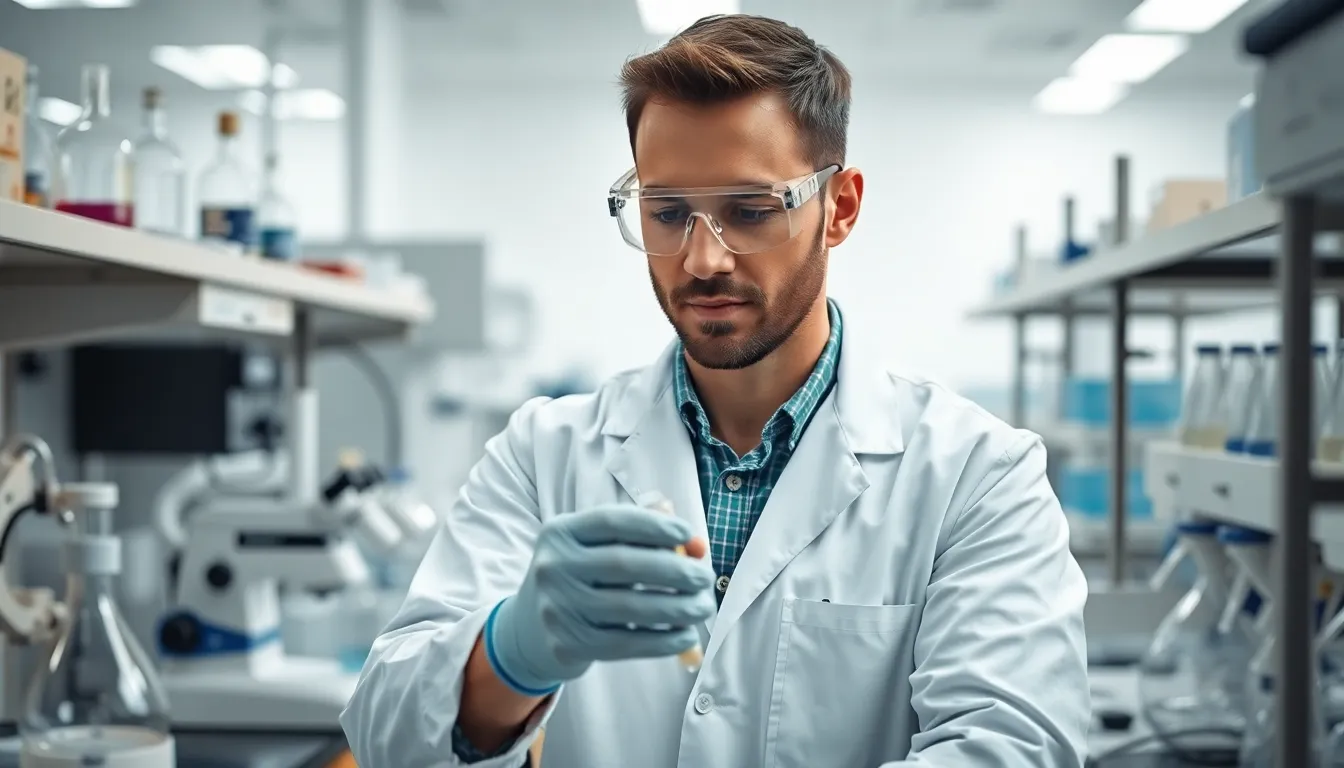
Biotechnologists play a critical role in various scientific fields, using their expertise to address complex issues. Their primary responsibilities include research and development and quality control.
Research and Development
Biotechnologists engage in research to explore new biological processes and develop innovative products. They employ techniques like genetic engineering and molecular biology to create solutions for healthcare and environmental challenges. Experimentation with living organisms often leads to breakthroughs such as improved crops and new medical therapies. Collaboration with scientists, engineers, and industry partners enhances the effectiveness of their research efforts. It’s essential for biotechnologists to remain updated on advancements in biotechnology, ensuring their work remains relevant and impactful.
Quality Control
Quality control is vital in biotechnology, ensuring products meet regulatory standards. Biotechnologists perform rigorous testing of raw materials, processes, and final products to maintain safety and efficacy. Implementing protocols serves to minimize errors in production. Monitoring data collected throughout experiments helps identify potential deviations and informs corrective actions. By adhering to strict quality assurance guidelines, biotechnologists safeguard public health and maintain trust in biotechnological advancements.
Skills Required to Become a Biotechnologist
Biotechnologists leverage a unique blend of skills, combining scientific knowledge with technical expertise to solve complex problems. A strong educational background and specialized technical skills are crucial for success in this field.
Educational Background
A bachelor’s degree in biotechnology, biology, or a related field forms the foundation for aspiring biotechnologists. Advanced positions often require a master’s degree or Ph.D. Coursework typically includes genetics, microbiology, and biochemistry. Graduates often gain valuable hands-on experience through internships or laboratory work, which enhances their practical understanding of biological processes. Many universities now offer specialized programs and training that cater to emerging biotechnology markets.
Technical Skills
Proficiency in specific technical skills sets successful biotechnologists apart. Knowledge of genetic engineering and molecular biology techniques is vital for manipulating organisms. Experience with laboratory equipment and software for data analysis proves beneficial in conducting experiments and interpreting results. Skills in cell culture and protein purification enable biotechnologists to develop new products. Familiarity with regulatory standards and quality control practices ensures compliance in product development. Both collaboration and effective communication skills foster teamwork, essential for project success in multidisciplinary environments.
Career Opportunities for Biotechnologists
Biotechnologists enjoy diverse career opportunities across various sectors. They find positions in healthcare, agriculture, environmental science, and industrial biotechnology. In healthcare, biotechnologists work on vaccine development, pharmaceuticals, and diagnostic testing. Innovative companies always seek professionals capable of advancing medical technology.
Agricultural biotechnology offers roles focusing on crop improvement and pest resistance. These biotechnologists contribute to sustainable food production by enhancing yield and nutrition. Moreover, employment in environmental biotechnology focuses on developing solutions for pollution control and bioremediation, making a significant impact on ecological health.
Research institutions and universities consistently hire biotechnologists for scientific studies and academic teaching. Positions in academia often involve conducting research and mentoring students. Collaborative projects with pharmaceutical companies and agricultural firms provide further avenues for employment and research grants.
A growing trend involves biotechnologists entering start-up companies. These firms specialize in cutting-edge projects related to genetic engineering and bioinformatics. Career development in this area fosters entrepreneurial skills and innovative thinking. Additionally, government agencies offer opportunities for biotechnologists in regulatory affairs and public health initiatives.
Salary varies widely based on experience, specialization, and industry. Entry-level positions typically start around $50,000 annually, whereas senior roles can exceed $100,000. Professionals actively participating in workshops or pursuing advanced degrees often improve their earning potential significantly.
Overall, career prospects for biotechnologists remain promising as advancements in technology continue to shape the industry. They play crucial roles in addressing pressing global challenges, ensuring that skilled individuals are in high demand.
Impact of Biotechnologists on Society
Biotechnologists play a crucial role in enhancing public health through innovative medical solutions. By developing vaccines and pharmaceuticals, they effectively combat diseases, making healthcare advancements possible. Medical therapies often stem from their research, leading to novel treatments for various conditions.
Agricultural improvements also showcase biotechnologists’ impact. Genetically modified organisms enable increased yield and resilience, addressing global food security issues. Techniques they employ in crop modification result in sustainable food production methods that benefit farmers and consumers alike.
Environmental sustainability initiatives benefit significantly from biotechnological innovations. Techniques such as bioremediation help restore polluted ecosystems, promoting a healthier planet. Additionally, the creation of biofuels and bioplastics reduces dependence on fossil fuels, supporting efforts to diminish environmental footprints.
Meeting regulatory standards remains an essential part of biotechnologists’ responsibilities. They implement quality control measures to ensure product safety and efficacy. This diligence maintains public trust in biotechnological advancements and fosters acceptance of innovative solutions in society.
Collaboration is a defining aspect of biotechnological work. Partnerships with other scientists, industry professionals, and regulatory bodies enhance the development of new technologies. Such interdisciplinary efforts often lead to significant breakthroughs, further pushing the boundaries of science and technology.
Career diversity also illustrates their societal impact. Biotechnologists can influence various sectors, including healthcare, agriculture, and environmental science. Opportunities in research institutions and start-up companies allow them to contribute to innovative solutions that shape the future. As technological advancements continue, demand for skilled biotechnologists increases, ensuring their essential role in addressing pressing global challenges.
Biotechnologists are at the forefront of innovation, driving advancements that significantly impact society. Their expertise in genetics and biological systems not only addresses healthcare challenges but also promotes sustainable agricultural practices and environmental solutions. As they continue to collaborate across various sectors, the potential for groundbreaking discoveries remains vast.
The demand for skilled biotechnologists is set to rise, reflecting the growing need for solutions to global issues. With diverse career paths and opportunities for entrepreneurial ventures, those entering the field can expect a fulfilling and impactful career. The contributions of biotechnologists are essential for a healthier and more sustainable future, making their role increasingly vital in today’s world.


