
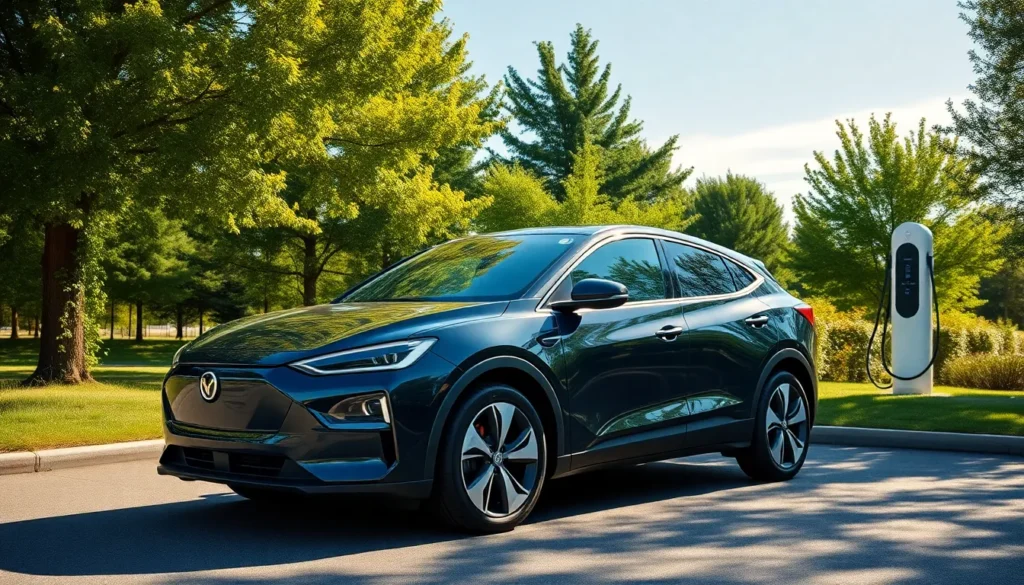
Electric vehicles are cruising into the spotlight, promising a cleaner, greener future. With their sleek designs and high-tech features, they’re not just cars; they’re the superheroes of the automotive world. Who wouldn’t want to save the planet while looking cool? But before you trade in your gas guzzler, it’s essential to weigh the pros and cons of this electric revolution.
Overview of Electric Vehicles
Electric vehicles (EVs) offer a sustainable alternative to traditional gas-powered cars. They utilize electric motors for propulsion, which reduces greenhouse gas emissions significantly. Battery technology has advanced rapidly, allowing for longer ranges and shorter charging times. Many consumers appreciate the lower operating costs associated with EVs, including reduced fuel expenses.
Government incentives further enhance the appeal of electric vehicles. Subsidies and tax credits entice buyers, while charging station infrastructure continues to improve. Consequently, EV adoption is on the rise, with manufacturers expanding their electric offerings.
Range anxiety, however, is a common concern. Limited availability of charging stations in certain areas can deter potential buyers. Additionally, the initial purchase price of electric vehicles often exceeds that of conventional vehicles. Budget-conscious individuals may find this aspect a barrier despite long-term savings.
Maintenance costs present another consideration. EVs typically require less maintenance due to fewer moving parts compared to internal combustion engines. This characteristic can lead to lower long-term expenses, making them more appealing to some drivers.
Environmental impacts are significant. EVs contribute to cleaner air quality when charged using renewable energy sources. As more consumers prioritize sustainability, the choice to choose an electric vehicle becomes more compelling. This growing trend reflects a broader societal shift toward embracing eco-friendly technologies.
Overall, understanding electric vehicles’ advantages and disadvantages aids consumers in making informed decisions about their transportation options. Balancing eco-consciousness with practicality remains crucial as the automotive landscape evolves.
Advantages of Electric Vehicles
Electric vehicles (EVs) offer several noteworthy advantages, contributing to their growing popularity. Their benefits span environmental, economic, and performance dimensions.
Environmental Benefits
EVs significantly reduce greenhouse gas emissions. Their use of electric motors limits harmful pollutants and decreases reliance on fossil fuels. Charging from renewable energy sources, such as solar or wind power, enhances this environmental advantage. The shift toward EVs supports cleaner air quality, positively impacting public health. Many regions experience improved environmental conditions as they adopt electric vehicles in greater numbers. Sustainability remains a priority in automotive advancements, driving demand for these eco-friendly options.
Economic Benefits
Lower operating costs make EVs appealing to many consumers. Fuel expenses decrease significantly, as electricity typically costs less than gasoline. Regular maintenance often requires fewer services, contributing to long-term savings. Government incentives, including tax credits and rebates, further enhance the financial benefits of owning an electric vehicle. Some drivers experience substantial savings over the vehicle’s lifespan, making EVs increasingly attractive. The combination of these factors demonstrates the economic viability of electric transportation.
Performance Advantages
Electric vehicles deliver impressive performance metrics. Instant torque provides rapid acceleration, often surpassing traditional gasoline engines. Additionally, EVs typically offer a quieter driving experience, enhancing overall comfort. Advanced technologies, including regenerative braking, improve vehicle efficiency and extend range. Many EVs also feature cutting-edge innovations in connectivity and autopilot capabilities, elevating user experience. As battery technology progresses, EVs continue to offer longer ranges, addressing previous concerns about range anxiety.
Disadvantages of Electric Vehicles
Electric vehicles (EVs) present challenges that consumers must consider. These disadvantages impact the overall appeal of EVs in the automotive market.
Initial Costs
Higher purchase prices often deter buyers from choosing electric vehicles. While federal and state incentives may offset costs, the upfront investment remains significant. Average EV prices range from $30,000 to over $100,000, depending on brand and model. Increased production costs for batteries contribute to this pricing trend. Consequently, potential buyers may hesitate, particularly those on tighter budgets.
Charging Infrastructure
Limited charging station availability presents another hurdle for electric vehicle owners. Urban areas typically have more charging options, while rural regions may lack adequate facilities. This discrepancy can create anxiety for potential EV users, as charging options become scarce during long trips. Charging times also vary, with home charging requiring hours while public fast chargers take less time. Despite expanding networks, charging infrastructure still lags behind traditional fueling options.
Limited Range
Limited driving ranges impact the practicality of electric vehicles for some users. Most EVs can travel 200 to 400 miles on a single charge, depending on battery capacity. While this range is sufficient for daily commuting, longer journeys may prove challenging without proper planning. Range anxiety arises when drivers worry about insufficient battery life during trips, often leading to concerns about accessibility to charging stations. Thus, many consumers weigh this limitation heavily when considering their options.
Electric vehicles represent a transformative shift in the automotive industry. Their benefits in reducing emissions and lowering operating costs resonate with eco-conscious consumers. However potential buyers must navigate the challenges of higher upfront costs and limited charging infrastructure.
As technology continues to advance and more charging stations become available the balance between advantages and disadvantages may shift in favor of EVs. This evolution reflects a broader commitment to sustainable transportation and the need for informed choices in a changing landscape. Embracing electric vehicles could lead to a cleaner future while addressing practical concerns remains essential for widespread adoption.


