

If you think electric vehicles are just glorified golf carts, think again. The evolution of electric vehicles (EVs) has transformed the automotive landscape, showcasing impressive technology that can make even your childhood car dreams seem basic. Let’s jump into how far we’ve come, the current trends driving the market, and how to pick the perfect ride for your needs, all while keeping a light-hearted tone. So buckle up: it’s going to be a thrilling ride.
Overview of Electric Vehicle Evolution
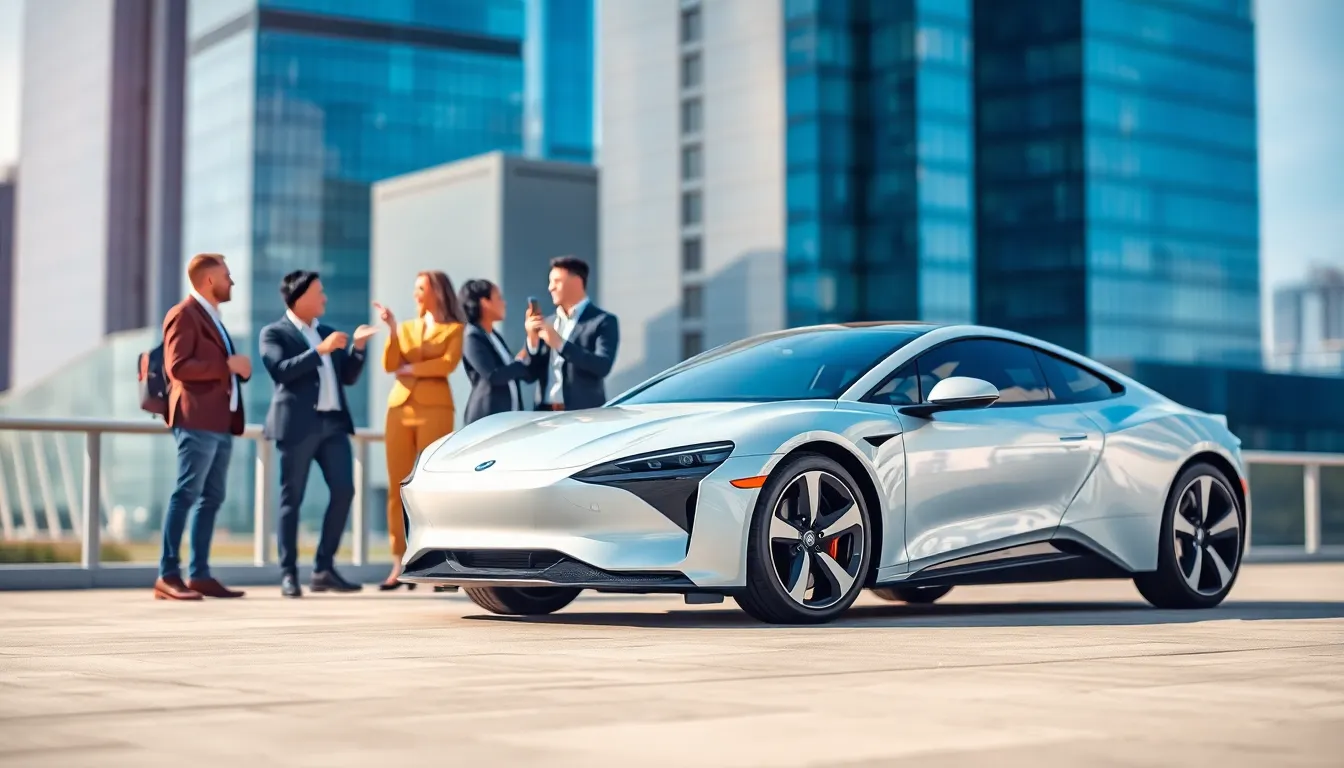
Electric vehicles have come a long way since the days of the humble electric golf cart. In fact, their journey can be traced back to the 19th century when innovators began experimenting with electric propulsion. Fast forward to today, and we’re witnessing a sophisticated transformation that’s shaping how we travel.
Key Milestones in Electric Vehicle Technology
From the earliest days of rechargeable batteries to the marvels of today’s lithium-ion technology, EVs have experienced several key milestones. In the early 2000s, companies like Tesla broke new ground by introducing electric vehicles that combined sleek design with state-of-the-art performance. This wasn’t just your standard eco-friendly technology: they were turbocharged and ready to thunder down the highway. Other manufacturers soon followed suit, creating a competitive landscape full of innovation. Now, we’re at a point where features like regenerative braking and smart sensors are just part of the package. EVs today represent a bold new frontier in sustainable transportation.
Current Trends in Electric Vehicle Design
Modern electric vehicles are not just about reducing emissions: they also focus heavily on design, functionality, and user experience. Manufacturers are harnessing advanced aerodynamics and lightweight materials to enhance performance while maintaining efficiency.
Let’s not forget about aesthetics: EVs are becoming a canvas for creativity in automotive design. Brands are developing futuristic profiles, making these vehicles as visually appealing as they are eco-friendly. Also, smart technology integration is becoming the norm. Users can control their vehicles through apps, configure settings remotely, and even navigate traffic with ease, all from their smartphones. As such, the landscape of EVs isn’t just about practicality: it’s also about elevating the driving experience to new heights.
Top Electric Vehicle Models Reviewed
When you’re considering buying an electric vehicle, knowing which models stand out is essential. Let’s take a closer look at some of the top contenders in the market today.
Performance and Efficiency Comparisons
First up, we consider the Tesla Model 3, known for its remarkable range and kick-in-your-seat acceleration. It tops charts not just in sales, but in user satisfaction too. The Ford Mustang Mach-E is also making waves, offering a stylish alternative and impressive tech features. On the other side, the Nissan Leaf has been a reliable choice for many, but its range doesn’t quite compare to newer models. These comparisons help prospective buyers find what fits their lifestyle best, whether they crave luxury or economy.
User Experience and Comfort Assessment
Comfort isn’t sacrificed in the race for performance either. The spacious interiors of EVs like the Volkswagen ID.4 or the Hyundai Ioniq 5 provide ample space for families and gear, making them perfectly practical for daily use. Unique features abound, including heated seats, ambient lighting, and high-tech infotainment systems, creating an enjoyable riding experience. Eventually, it’s important to consider what adds the most value to individual usage scenarios as preferences differ widely.
Practical Considerations for Potential Buyers
As exciting as electric vehicles are, potential buyers need to dig into the nitty-gritty before making a commitment. Choosing the right electric vehicle isn’t merely a preference: it’s also about practicality.
Cost Analysis of Electric Vehicles
While the upfront cost of EVs can be daunting, it’s crucial to look at the long-term savings. Fuel costs are significantly lower, and many states offer tax incentives for electric vehicle purchases, making them financially appealing over time. Also, with more manufacturers producing EVs, the competition is likely to keep prices in check. Evaluating your budget against potential savings can yield a clearer decision.
Charging Infrastructure and Accessibility
Charging infrastructure is another significant factor. Range anxiety is a common concern among EV owners, but the number of charging stations is rapidly increasing. Manufacturers and local governments are investing in this area, aiming to make charging as accessible as filling a gas tank. In urban areas, home installations are also gaining traction, allowing homeowners to charge overnight efficiently. Understanding the charging landscape can help alleviate concerns and enhance the appeal of owning an electric vehicle.


