
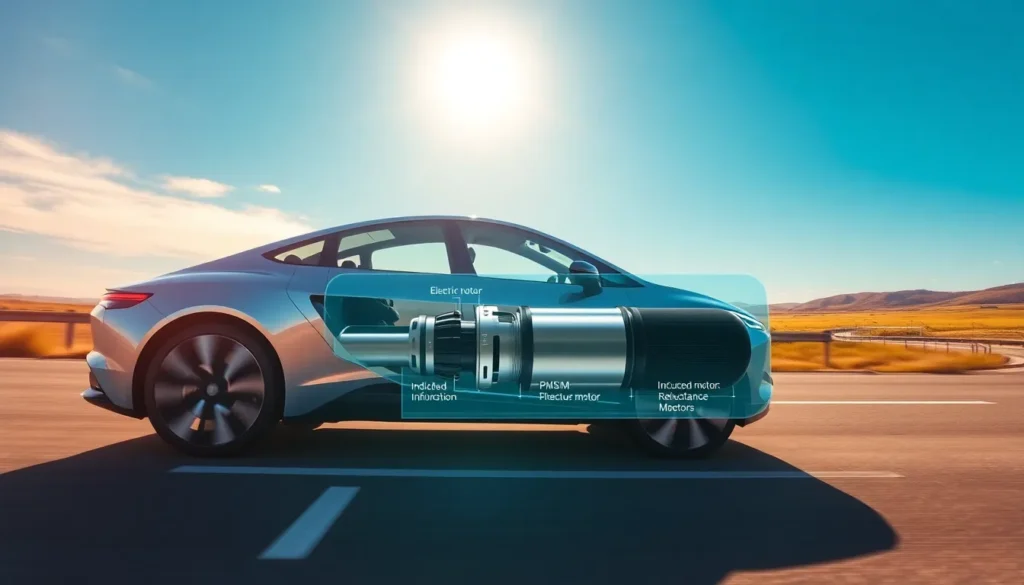
Picture this: you’re cruising down the highway, the sun is shining, and there’s barely a whisper from your battery-powered ride. What’s making it all happen? The unsung hero, the motor. In electric vehicles (EVs), motors are not just components: they are the muscle, the brains, and sometimes, even the heart of the operation. While it’s easy to get lost in fancy features like autopilot and touchscreen interfaces, understanding the motors used in electric vehicles can be the key to unlocking a world of innovation. Let’s jump into the whirring heart of your electric future.
Overview Of Electric Vehicle Motors
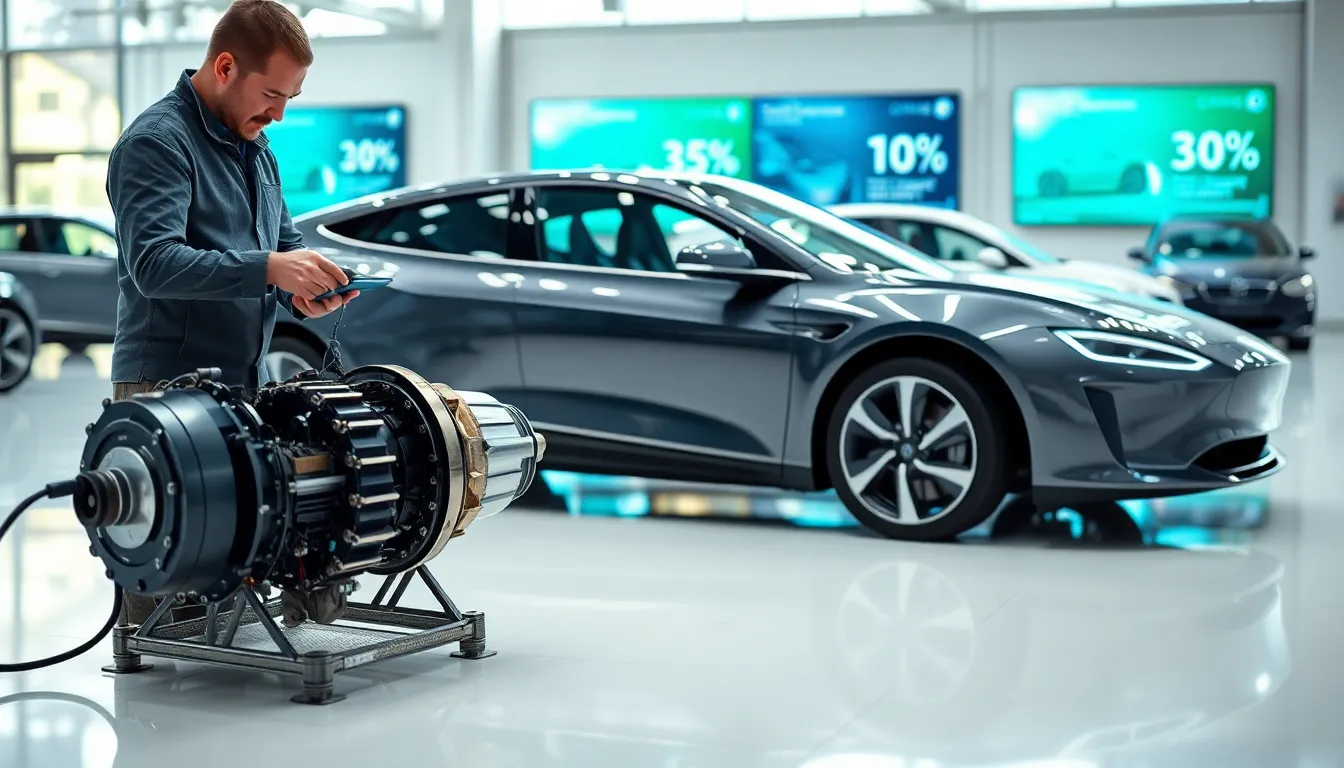
Electric vehicle motors serve as the driving force behind these innovative machines. Unlike traditional internal combustion engines that rely on fuel, electric motors convert electrical energy into mechanical energy, allowing for swift acceleration and smooth operation. At the core of every electric vehicle, these motors deliver the torque and performance that drivers crave while minimizing environmental impact. Using electromagnetic principles, these motors can achieve remarkable efficiency levels, making them quite the marvel of modern engineering.
Types Of Motors Commonly Used
When it comes to electric vehicles, there are three primary motor types that steal the spotlight:
1. Permanent Magnet Synchronous Motors (PMSM)
PMSMs are the darlings of the EV world. They use a permanent magnet embedded within the rotor, which interacts with electromagnetic fields produced by the stator. This type of motor provides high efficiency and excellent torque, ensuring that even the zippiest roadster can get going in a flash.
2. Induction Motors
Induction motors, often seen in well-known brands like Tesla, have their own charm. They operate on the principles of electromagnetic induction, meaning they don’t require permanent magnets. This approach reduces costs while still delivering impressive performance. They’re known for their durability, making them a favorite in demanding applications.
3. Switched Reluctance Motors (SRM)
Entering the game are Switched Reluctance Motors, which don’t use magnets at all. Instead, they switch the magnetic poles as needed, allowing for simple design and less weight. While they are less common than PMSMs and induction motors, they’re gaining traction due to their robustness and low cost.
Factors Influencing Motor Selection
Selecting the right motor isn’t just about picking the coolest one: various factors come into play:
1. Efficiency and Performance
Efficiency impacts how far an EV can travel on a single charge. Higher efficiency means longer ranges and less wasted energy. For instance, if an EV motor uses energy efficiently, the vehicle can perform better while ensuring maximum battery life.
2. Cost Considerations
Cost is king in the automotive industry. From production to consumer pricing, manufacturers must find a balance between using high-performance motors and keeping prices competitive. Interestingly, the overall life-cycle costs must also be considered, less expensive motors may not always provide the best long-term return.
3. Size and Weight Constraints
Every gram counts in automotive design. Smaller and lighter motors can contribute to greater efficiency and better handling. Manufacturers continually innovate to maximize power while minimizing size, proving that it’s not just about brute force.
Emerging Trends in Electric Vehicle Motor Technology
Innovation is the name of the game in EV motor technology. Let’s explore some exciting trends shaping the future:
1. Innovations in Motor Design
Engineers are playing with novel designs that enhance performance. For instance, developments in cooling technologies allow motors to run cooler and handle higher power outputs, which can significantly improve efficiency.
2. Advances in Materials Used
The use of advanced materials is another trend influencing motor design. Lighter materials can reduce overall vehicle weight while increasing the strength and durability of components, allowing for more efficient motors.
3. Integration with Battery Technology
Batteries and motors are increasingly integrated to create a cohesive powertrain. This synergy optimizes performance and efficiency, leading to smoother rides and better overall vehicle capabilities.
Challenges Facing Electric Vehicle Motors
The journey of electric vehicle motors is not without its bumps in the road. Some challenges include:
1. Thermal Management
As motors work harder, they can generate significant heat. Effective thermal management is critical to prevent overheating, which can impact performance and longevity. Manufacturers are continually finding innovative solutions to manage this heat effectively.
2. Supply Chain Issues
Global supply chain challenges can impact the availability of essential materials needed for motor production. This can lead to delays and increased costs, affecting the overall automotive industry.
3. Environmental Impact and Sustainability
While EVs boast lower emissions during operation, the environmental impact of producing motors must also be considered. Sustainable practices must be adopted to address the entire lifecycle of the manufacturing process.


