
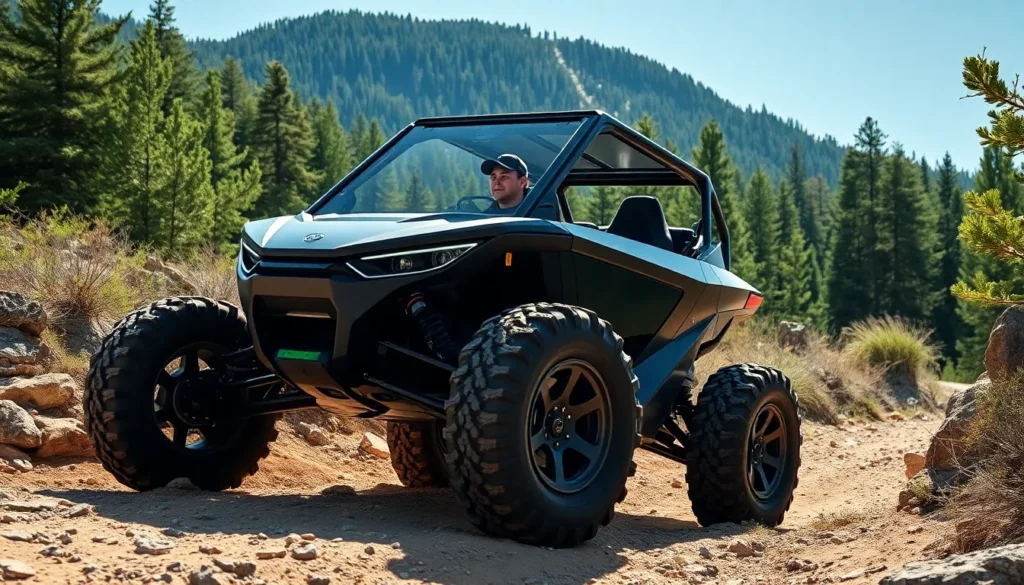
Imagine a road trip where the only sound is the chirping of birds, the crunch of gravel, and the gentle hum of your vehicle’s electric motor, no roaring engines or choking exhaust fumes. Welcome to the world of off-road electric vehicles (EVs). These innovative machines are not just about going green: they’re about redefining adventure. If you think muddy trails, steep inclines, and rugged terrain are best left to their gas-guzzling counterparts, think again. Join me as we explore this exciting frontier, which blends thrill with sustainability. Get ready to rev up your knowledge on why off-road electric vehicles may very well be the future of off-road adventures.
The Rise of Electric Off-Road Vehicles
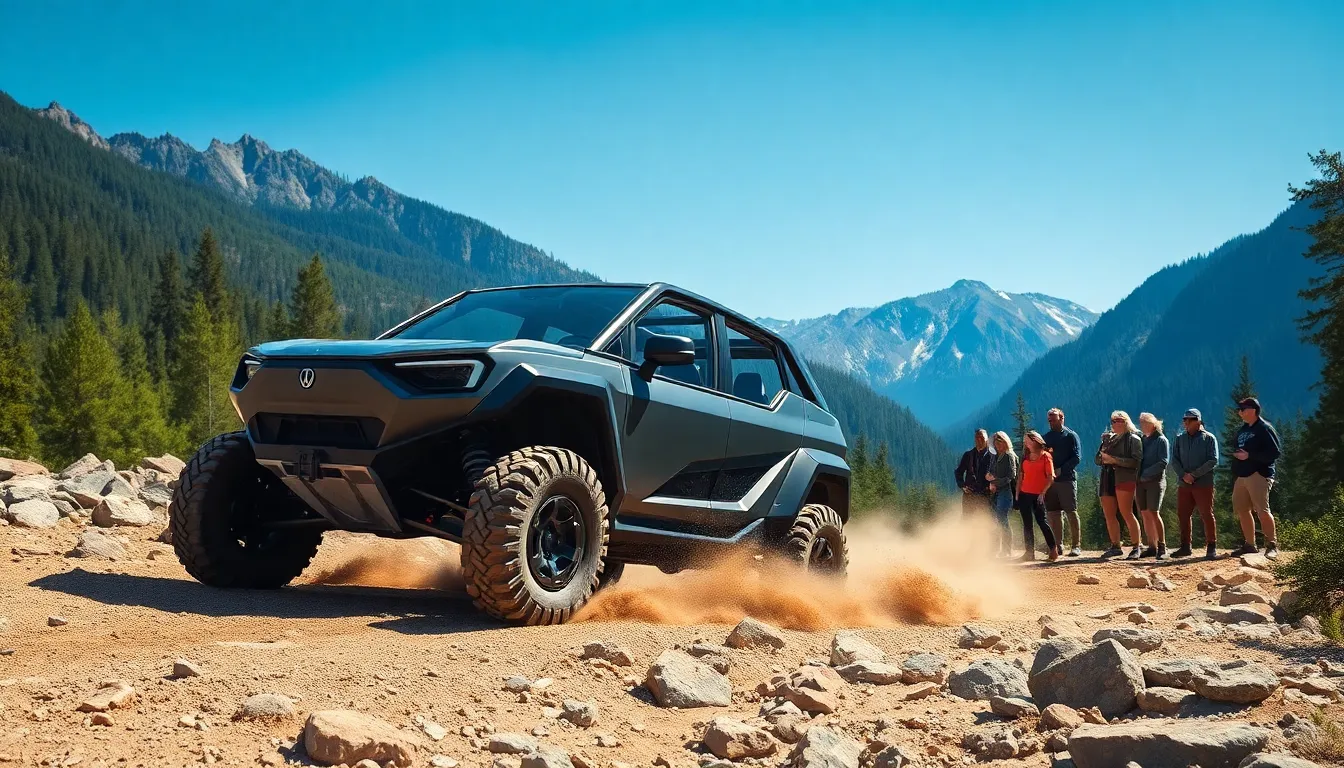
The off-road electric vehicle market is experiencing a significant boom, fueled by advances in battery technology and a growing environmental consciousness among consumers. More manufacturers are jumping on the bandwagon, offering options that were once unimaginable. In the past, electric vehicles were synonymous with city driving. Today, they’re conquering mountains, forests, and deserts. It’s a shift that not only appeals to eco-conscious adventurers but also to those looking for exciting performance. Expect to see more rugged designs tailored for trails and challenging terrain. Emphasizing power alongside efficiency, these vehicles redefine what it means to go off-road in modern times.
Manufacturers like Rivian and Bollinger Motors are at the forefront, showcasing electric trucks and SUVs that are designed to tackle the wild with gusto. Their offerings highlight not just impressive specs but also the practicality of electric power, desirable for long trails or rugged outings. Electric off-road vehicles are gradually shedding the stereotype that EVs are limited to smooth pavement, making waves in the adrenaline-fueled world of off-roading.
Benefits of Off-Road Electric Vehicles
Going electric when off-road brings a host of benefits that can elevate any adventure. Firstly, there’s the sheer torque of electric motors. Instant power delivery is their secret sauce, allowing drivers to conquer steep hills and muddy trails almost effortlessly. The experience is akin to having a superpower, with immediate response and exhilarating acceleration at your fingertips.
Next, let’s talk maintenance. Electric off-road vehicles boast fewer moving parts compared to traditional gas engines, significantly reducing the likelihood of mechanical failure. Less time at the mechanic means more time on the trails. The added bonus? A quiet operation allows for an immersive experience with nature, without the intrusive noise of combustion engines.
Also, many off-road electric vehicles come equipped with advanced technology, including regenerative braking systems, which can extend your range while enhancing control on slippery surfaces. Couple these benefits with zero tailpipe emissions, and it’s evident why off-road electric vehicles are gaining traction among outdoor enthusiasts.
Key Features to Consider When Choosing an Off-Road Electric Vehicle
Selecting the right off-road electric vehicle involves meticulous consideration of crucial features. First, the range is paramount. Look for models that offer sufficient battery life to explore remote trails without the anxiety of running out of power. A good off-road electric vehicle should provide at least enough range to handle a day of adventure.
Next up is the vehicle’s weight and build. Lightweight materials can enhance performance, allowing for easier navigation through challenging terrains. Heavy-duty tires and all-wheel drive capabilities should also be high on the checklist. They ensure traction and stability on unpredictable surfaces which are common in the great outdoors.
Don’t overlook the importance of charging options. The flexibility to charge at home or at charging stations can be a game-changer, especially when venturing far from the beaten path. Many new vehicles also include rapid charging capabilities, reducing downtime and enhancing convenience.
Finally, consider integrated tech features like navigation systems designed for off-road use, external cameras for enhanced visibility, and Bluetooth connectivity to keep the adventure connected while you’re offline.
Popular Off-Road Electric Vehicle Models
Several standout models dominate the market, each delivering unique experiences for off-road enthusiasts. The Rivian R1T has become a poster child for electric adventure trucks, offering remarkable features and off-road capabilities. With an impressive electric range, it caters to both rugged outdoors and daily driving seamlessly.
Then there’s the Bollinger B1, a heavy-duty SUV designed with utility and power in mind. Its boxy design might not win any beauty contests, but it’s built to take on the harshest terrains with durable features. Expect incredible payload capacity and excellent maneuverability.
Also, the Ford F-150 Lightning, an electric version of the classic beloved truck, is also making waves in the off-road scene. Ford is combining versatility with robust off-road capability in this model, proving that electric can cater to traditional truck lovers.
Finally, don’t overlook the Jeep Wrangler 4xe, merging classic off-road strengths with hybrid technology. This model appeals to traditionalists while showcasing what modern technology can do. Each of these vehicles presents exciting choices that embody the future of off-road adventures.
Challenges and Considerations for Off-Road Electric Vehicles
Even though the many attractive features of off-road electric vehicles, some challenges still permeate the landscape. One of the most pressing concerns is infrastructure. In remote areas, charging stations can be few and far between, posing a significant obstacle for extended trips. Planning ahead is crucial: knowing where to charge or having portable charging options can be lifesavers.
Battery life in extreme temperatures is another consideration. Cold weather can affect performance, leading to shorter ranges. Hence, adventurers might encounter situations where temperatures plunge, resulting in diminished power.
Also, the upfront cost of acquiring an electric off-road vehicle can be higher than traditional vehicles. But, potential tax incentives and savings from fuel costs can help offset this initial investment over time. Understanding the financial implications is essential for any potential buyer.
The Environmental Impact of Off-Road Electric Vehicles
Off-road electric vehicles are taking sustainability to new heights, significantly reducing the environmental impact typically associated with off-roading. As countless enthusiasts flock to nature for adventure, the need for vehicles that operate in harmony with the environment becomes crucial. By eliminating tailpipe emissions, these vehicles contribute to cleaner air quality in outdoor spaces.
Also, their quieter operation minimizes noise pollution, allowing wildlife to thrive without the harsh disruptions often caused by conventional off-road vehicles. The focus on lithium-ion batteries also points towards a more sustainable approach, as manufacturers seek to improve recycling processes to mitigate environmental effects further.
Summarizing, as more consumers opt for electric options, the cumulative effect will be a transforming off-road landscape that prioritizes ecological responsibility.


